A ceramic decal is a screen- or digitally printed design on transfer paper that is applied to a glazed or bisque ceramic surface and then fired in a kiln. During firing, the decal's ceramic pigments fuse permanently with the glaze, producing a decoration that is dishwasher-safe, scratch-resistant, and food-safe.
How Ceramic Decals Work
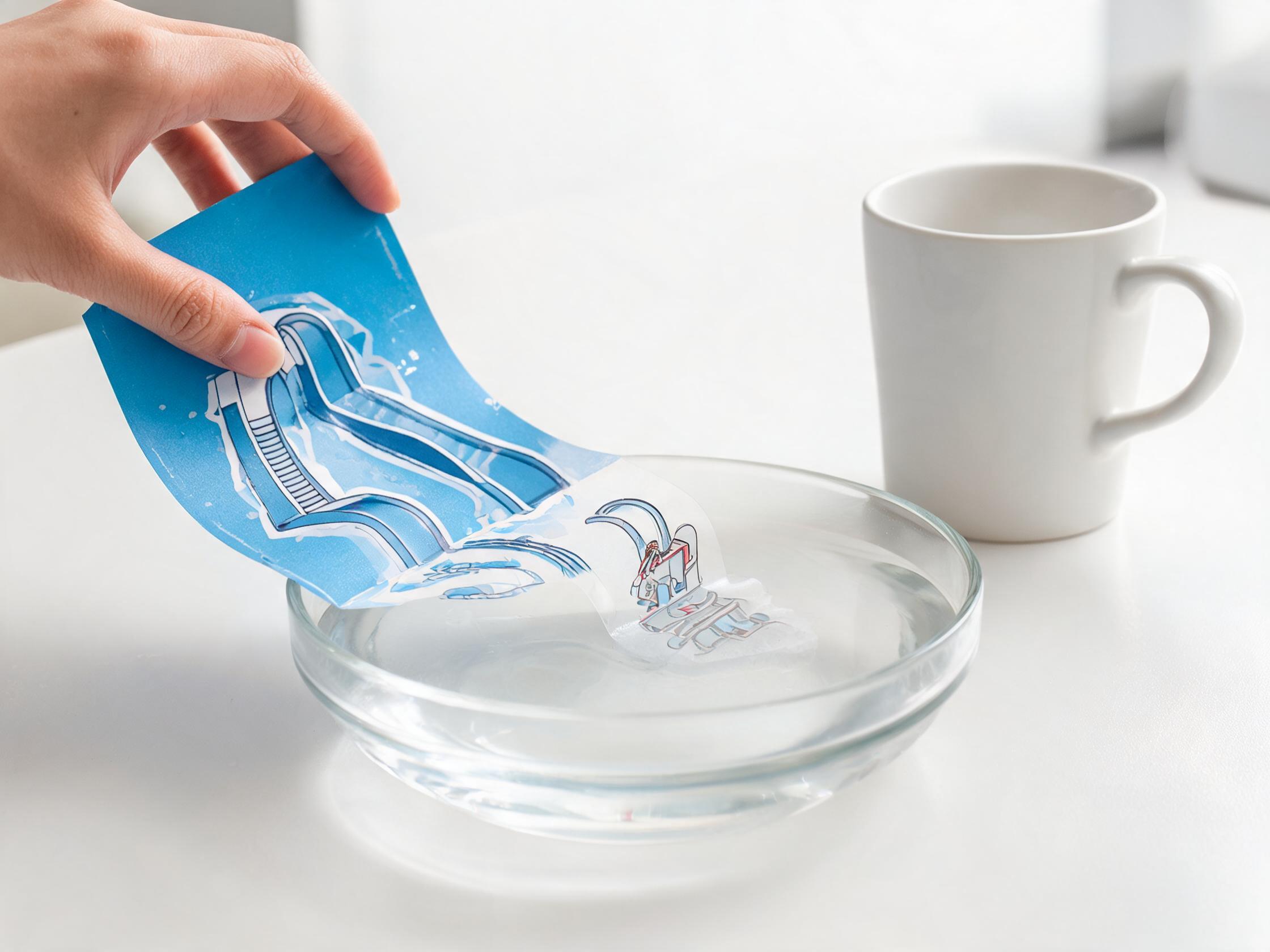
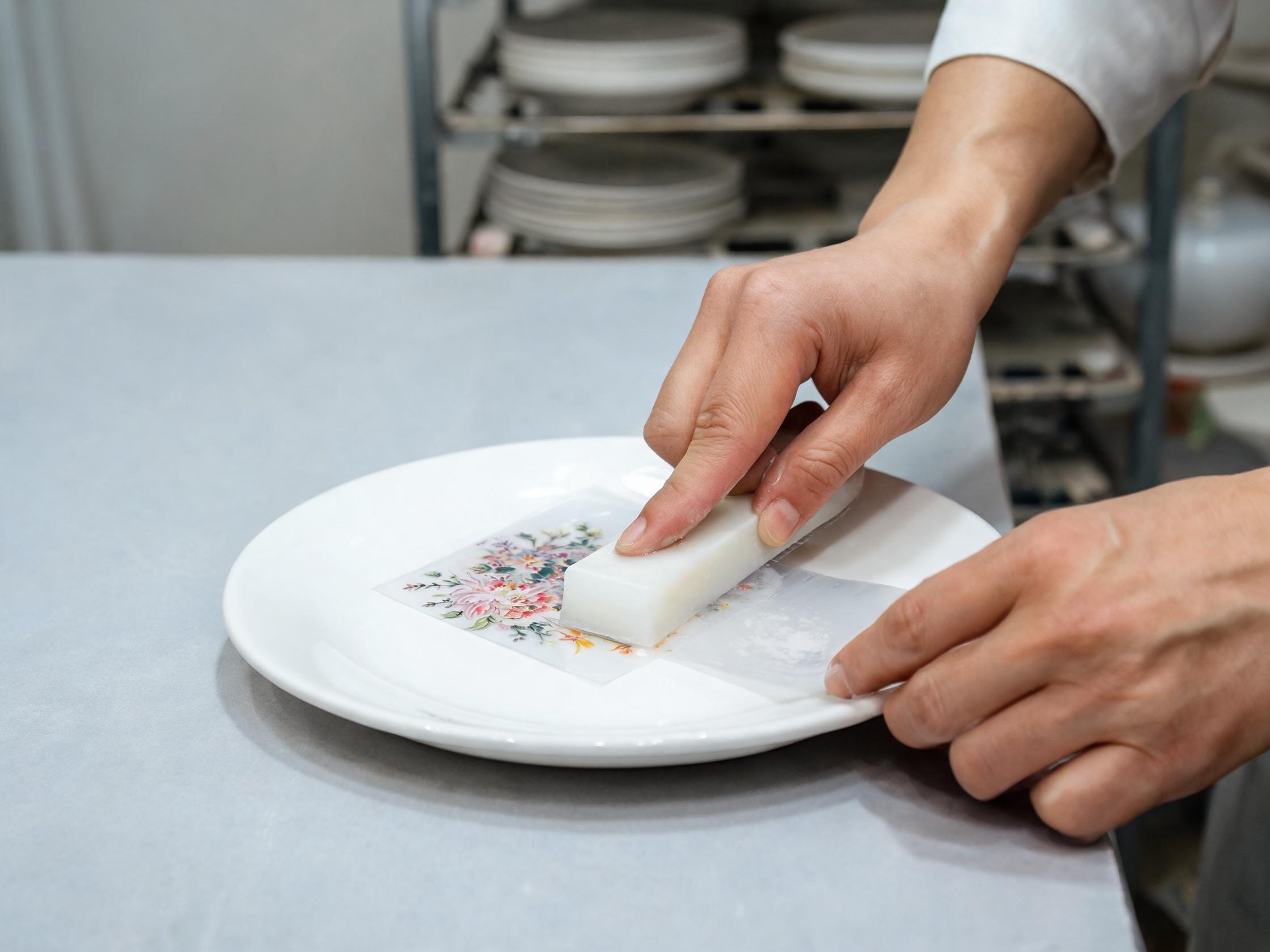
Unlike stickers or vinyl, ceramic decals are made with inorganic ceramic pigments - metal oxides that survive kiln temperatures. The artwork is printed onto water-slide transfer paper with a cover coat that carries the image. After the decal is soaked in water, it slides onto the ware, is squeegeed flat, dried, and fired. In the kiln the paper carrier and cover coat burn away completely, while the pigment layer softens and bonds with the glaze underneath. The result is a decoration that is literally part of the glaze surface.
The Three Main Types of Ceramic Decals
Ceramic decals are classified by where they sit relative to the glaze layer, and each type has its own firing range and finish:
- On-glaze (overglaze) decals - applied on top of an already glazed and fired piece, then fired at 750-850°C. They offer the widest, brightest color range and are the standard choice for mugs, plates, and promotional tableware.
- In-glaze decals - applied to an unfired glaze surface and fired at 1,000-1,250°C so the design sinks into the melting glaze. Extremely durable, ideal for hotelware and high-volume dinnerware.
- Underglaze decals - applied to bisque or greenware before glazing, then glaze-fired at up to 1,300°C. The design sits under the glaze for maximum durability, common in premium porcelain and sanitaryware.
Firing Temperature Guide
Firing temperature is the single most important variable in ceramic decal production. Too low and the pigments will not fuse; too high and colors burn out or shift. Typical ranges:
- On-glaze decals: 750-850°C (some low-fire glass decals fire as low as 560-620°C)
- In-glaze decals: 1,000-1,250°C
- Underglaze decals: 1,200-1,300°C
Because some pigments are heat-sensitive, bright reds, pinks, and purples are traditionally harder to fire at high temperatures. An experienced decal manufacturer will advise which color palette survives your target firing curve, and can adjust ink formulations accordingly.
Where Ceramic Decals Are Used
Ceramic decals decorate mugs, plates, bowls, tiles, teapots, vases, and sanitary ware. They are the standard method for brand logos on promotional mugs, hotel dinnerware crests, commemorative plates, and decorative tile murals - anywhere a design must survive daily washing, cutlery contact, and years of use.
Food Safety Considerations
For tableware, the decal inks must comply with food-contact regulations such as FDA and LFGB limits on lead and cadmium release. Reputable factories test fired samples for heavy-metal migration and can provide reports for your market. If the decoration sits on a food-contact surface, always confirm compliance before production.
Ordering Custom Ceramic Decals
To get accurate pricing, prepare vector artwork (AI, EPS, or PDF), your Pantone color references, the ware type and glaze status, your firing temperature, and the target quantity. A manufacturer will confirm ink compatibility with your firing curve, print a sample, and ship decals ready for application. For a typical custom-logo mug project, see our custom ceramic mug decal service, or browse the full product range.
Frequently Asked Questions
Are ceramic decals dishwasher safe?
Yes. Once fired, the pigments fuse with the glaze, so the decoration withstands commercial dishwashers, microwaves, and daily abrasion for years without fading.
Can ceramic decals be printed in full color?
Yes. Digital ceramic printing allows photographic, full-color decals, while screen printing is used for spot Pantone colors and larger runs. Metallic gold and platinum effects are also available.
What is the minimum order quantity?
MOQs vary by process, but factory-direct screen-printed decals typically start at a few hundred sheets, while digital printing allows much smaller pilot runs for sampling.
Do I need to fire the decals myself?
Yes - ceramic decals are supplied unfired. You apply them to your ware and fire them in your own kiln. If you do not have firing capability, many factories can supply pre-decorated, fully fired finished ware instead.
Ready to start your project? Request a free quote and our engineers will confirm the right decal type and firing specification for your product.