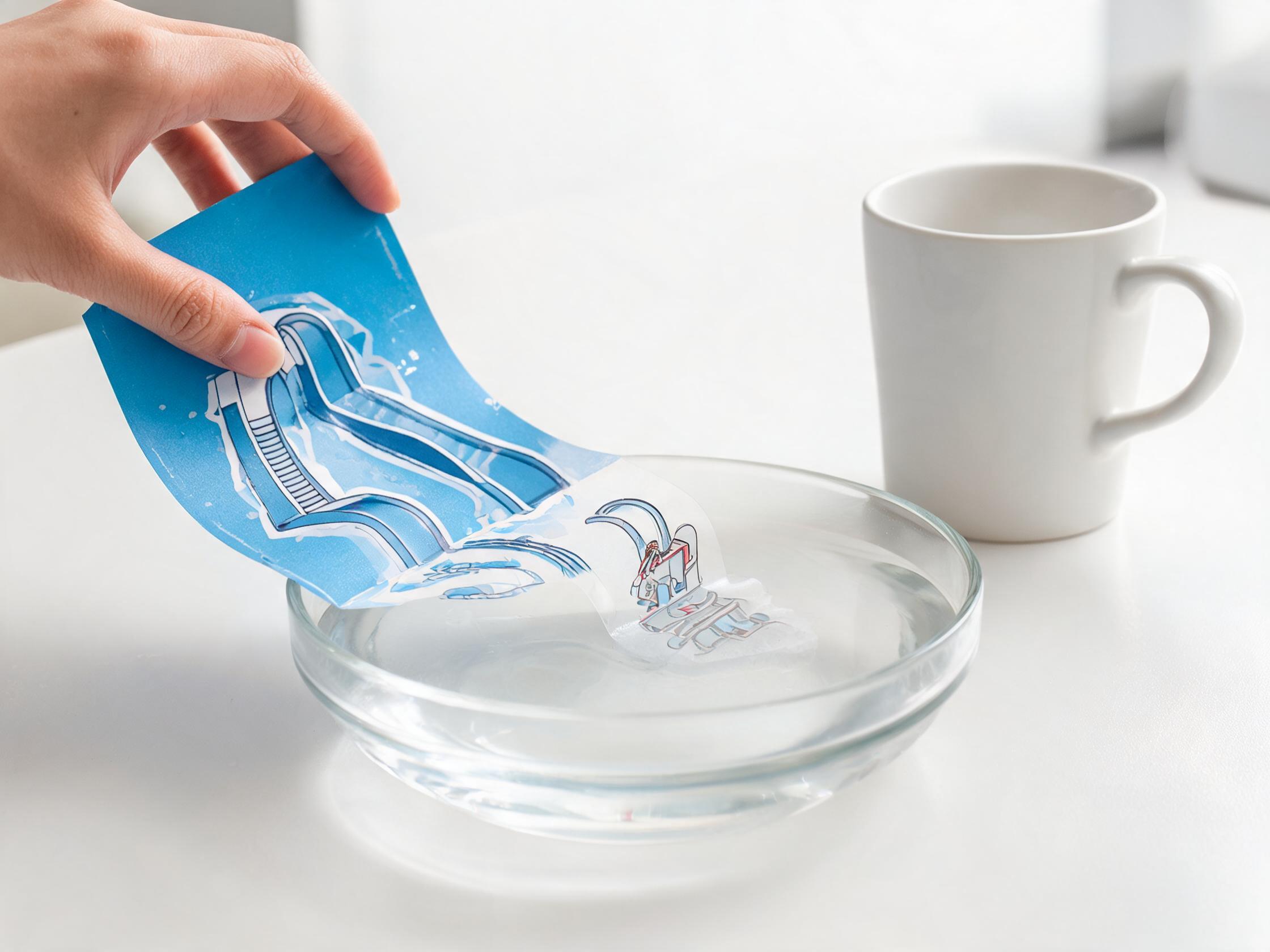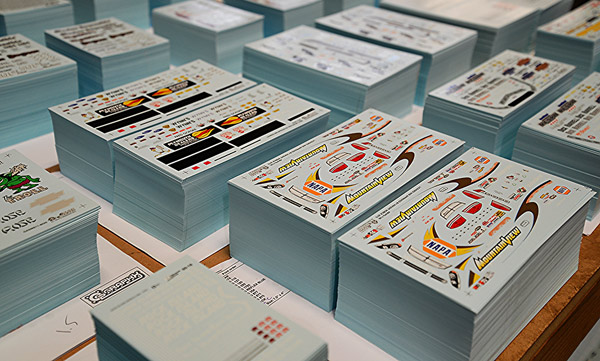
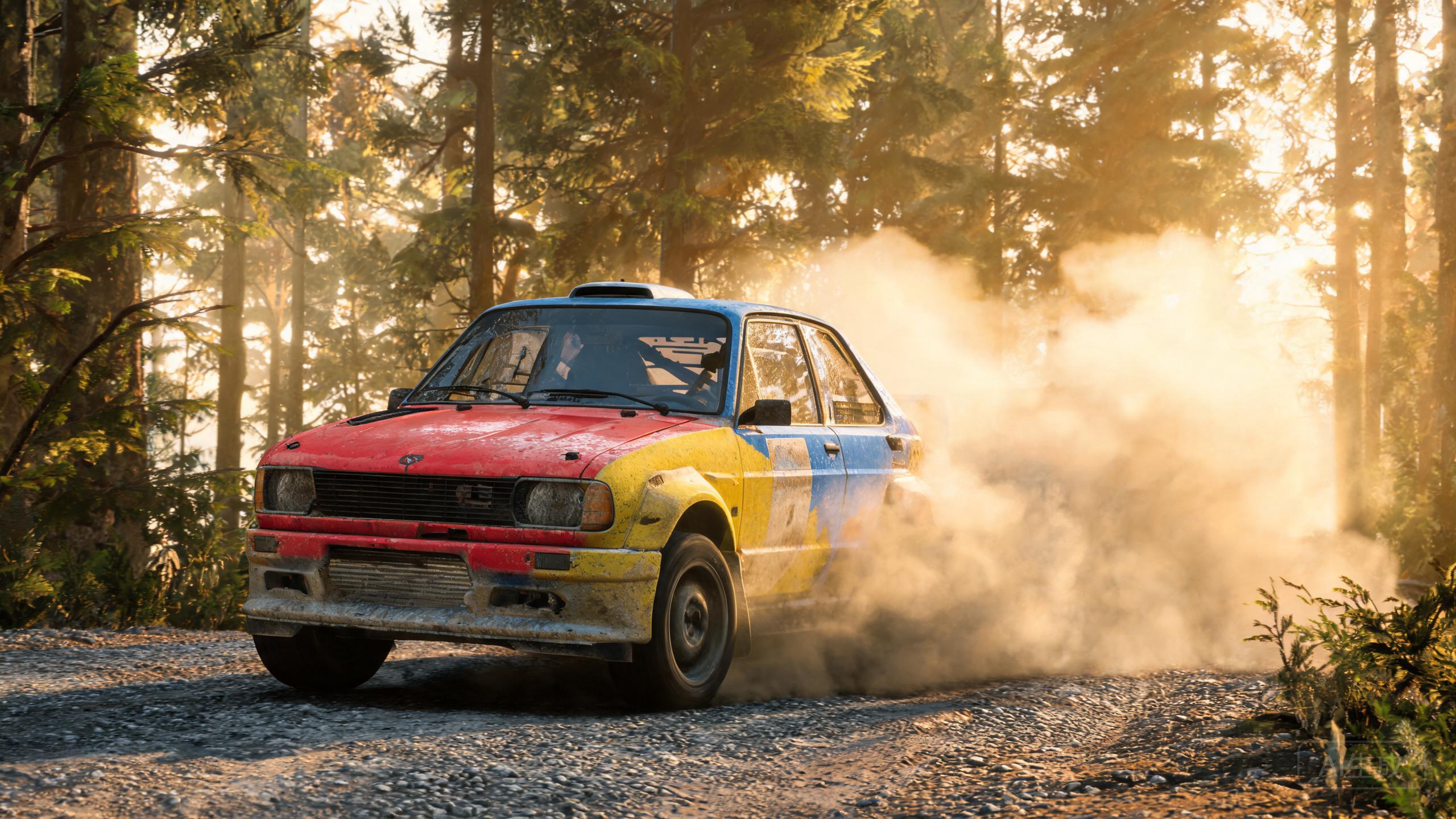
A 1970s rally Stratos, a Group C silk-screened Porsche, a tobacco-sponsored Formula 1 car - vintage liveries are the most demanding work in scale model decal printing because the goal is not a clean logo, it is a convincing ghost of something that existed fifty years ago, often with incomplete records. This is how our livery recreation process works, and where most attempts go wrong.
Step 1: Source triage - trust nothing, triangulate everything
Period liveries changed constantly: sponsor contracts mid-season, round-to-round number changes, hand-painted repairs, different schemes for qualifying and the race. We collect references in tiers:
- Contemporary photography from the specific event - ideally multiple angles and color transparencies.
- Period program art and press kits - useful but optimistic, often showing the launch-spec car.
- Surviving car museum photos - risky, restorations frequently "correct" details incorrectly.
- Existing diecasts and old kits - useful as cross-checks, never as sole source; errors propagate through decades of copies.
The brief must name the exact event and even the chassis number where possible - "1985 season" alone can describe four different cars.
Step 2: Rebuilding logos that no longer exist
Many period sponsors have merged, vanished or never released vector assets. Designers reconstruct marks from the best available reference: tracing letterforms from hi-res photos, matching display typefaces to period fonts (often phototype-era designs with quirks modern digitizations lack), and hand-drawing script logos. The mark is then validated against every other photo in the set - a correct logo at the wrong angle is still wrong.
Step 3: Period-correct color is not modern Pantone
This is the single biggest authenticity trap. 1970s print and paint chemistry produced different reds, blues and yellows than today:
- Race reds were often slightly orange or brown under period varnish.
- Sponsor blues fade toward green or gray in surviving photos; the printed target must be the new period shade, not the faded one - unless you model a weathered car, in which case the fade is the target.
- Fluorescent oranges and greens from the 1980s used pigments that barely exist now; custom mixing and physical comparison samples are required.
We always settle color on a physical print over the intended body color, with the references in the room - screen proofing cannot make these decisions.
Step 4: Layout on the actual shell
Period hand-applied liveries were imperfect, and perfect symmetry in 1/24 often looks fake. We account for: stripes that drift slightly around curves, sponsor placement following body breaks, door numbers positioned where regulations (and the driver's visibility) actually put them, and roundel widths that vary between left and right sides of the same car. Hood and roof markings get perspective compensation as in our standard livery process.
Step 5: Registration, white and traps for faded schemes
Multicolor vintage marks still need proper trapping and spot-white underlay for bright colors on dark bodies - but the white is sometimes printed at reduced opacity under pastel or faded elements, so restored markings do not glow against weathered paint. Fine outlines common on 1960s-70s sponsor art are color-engineered to survive at scale rather than knocked out of four-color builds.
Step 6: Weathering - on the car, not the sheet
A common request is "pre-weathered decals." Our recommendation: print clean markings and weather after application, because film chips, exhaust staining and fading follow the physical model - panel edges, airflow, fuel spills - which no flat sheet can predict. We can produce a second deliberately faded colorway for cars known to have run tired paint, but mud, scratches and overspray belong to the builder's finish work.
The legal reality buyers ask about quietly
Many classic liveries carry historic tobacco, alcohol or fuel branding. For individual builders and limited model runs this is routinely handled as scale reproduction of historical subjects; commercial kit brands should assess trademark rights in their market and, where licensing is required, approach rights holders. We print supplied artwork under the customer's responsibility and can advise on what other kit brands typically do.
Reference pack that gets the best result
- Event, year and chassis number
- Hi-res photos: front, rear, both sides, top, key details
- Any surviving original decal sheet or period program
- Paint codes or paint brand references for the body
- Your kit or bodyshell name and scale (1/24, 1/18, 1/43...)
Gather that pack and send it for assessment - we will tell you honestly what is fully recoverable, what needs creative reconstruction, and quote the redraw work. For other era styles, see our vintage rally and retro livery decals.