Three technologies dominate short-run custom product decoration: waterslide decals, vinyl stickers and heat transfers. Buyers routinely order the wrong one - vinyl where a painted-on finish is needed, waterslide where outdoor abuse is expected, heat transfer where a 3D curve makes heat-pressing impossible. Here is the factory-level comparison so you can spec correctly the first time.
How each technology actually works
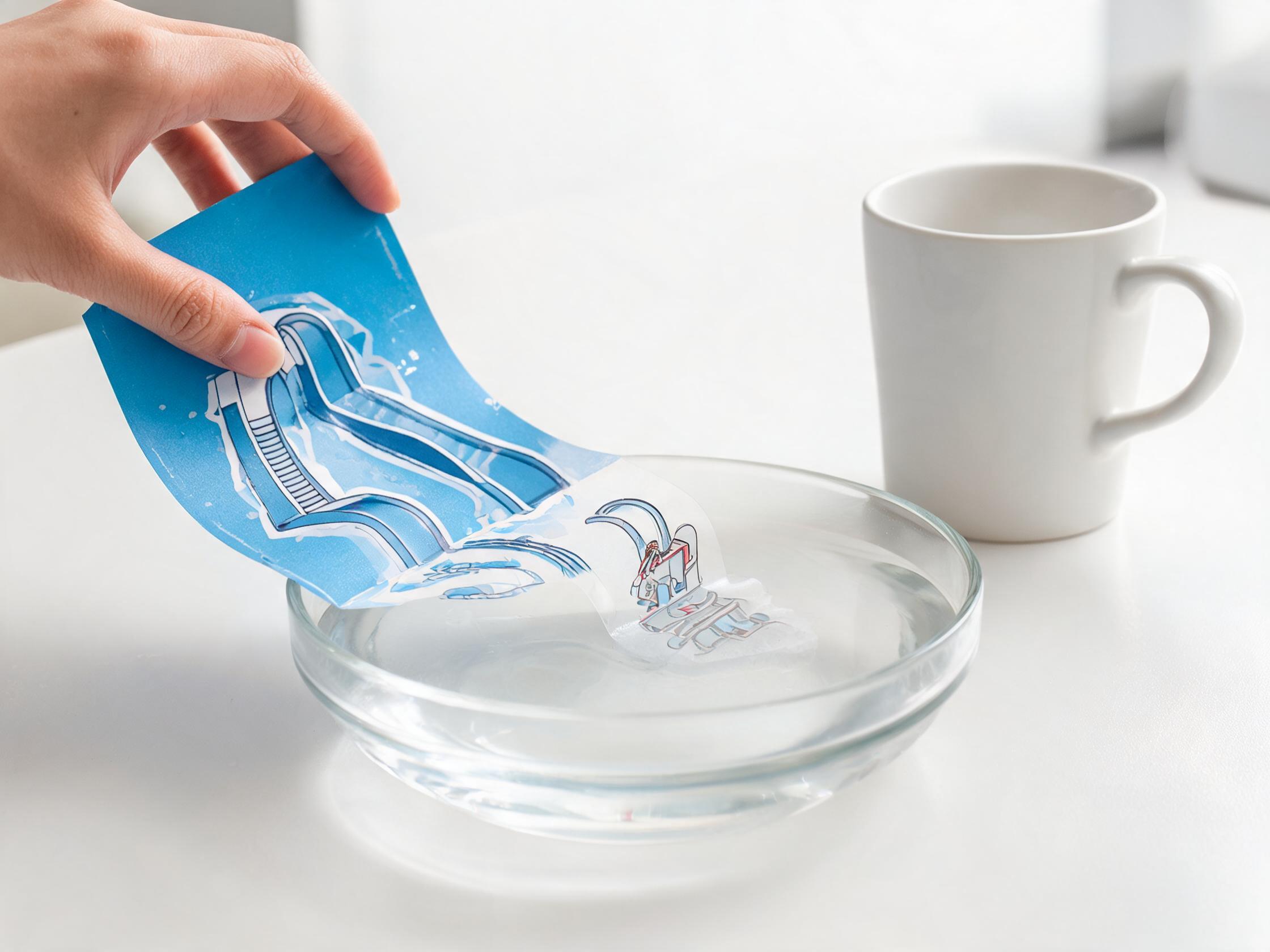
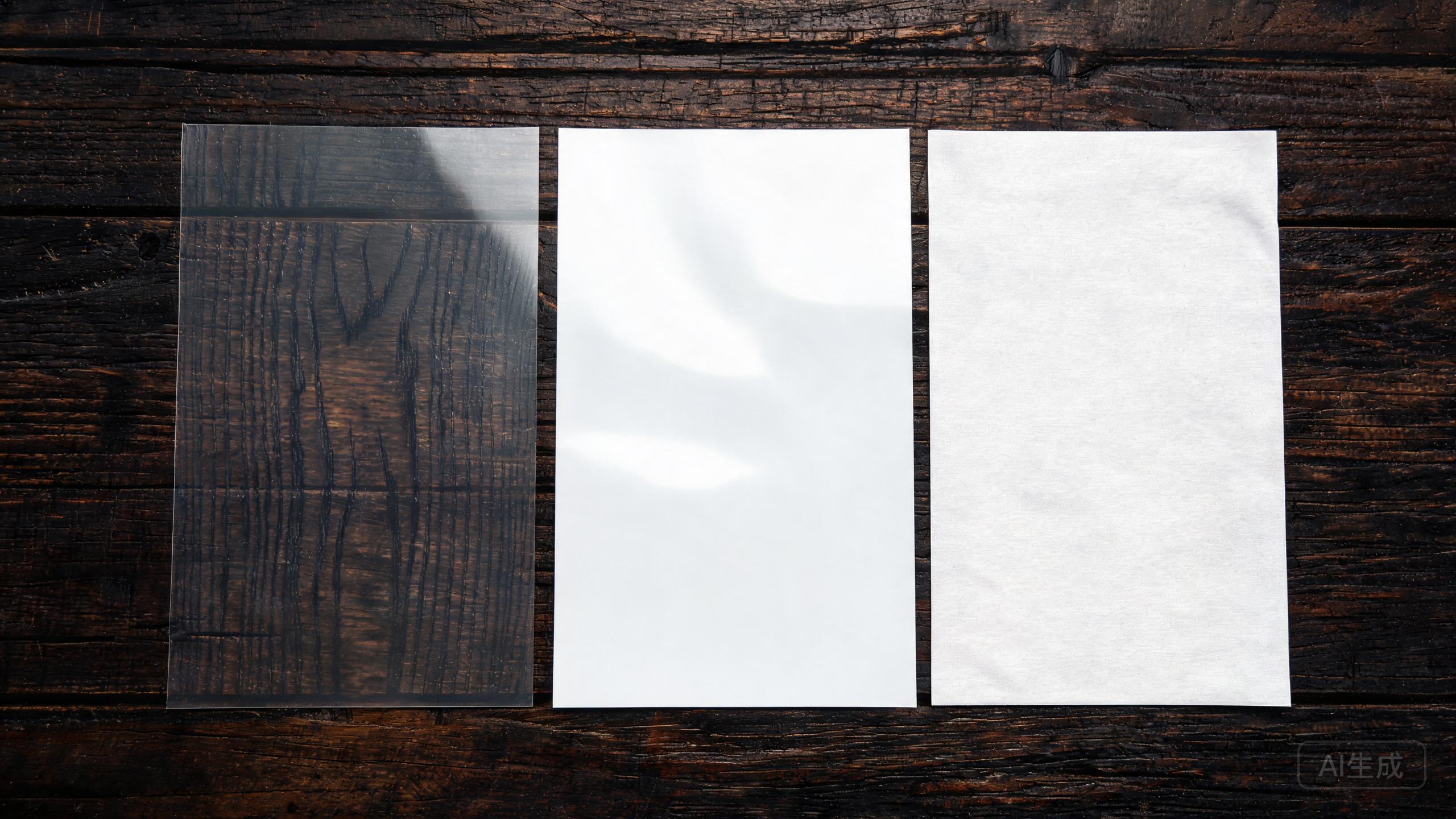
- Waterslide decal: ink (plus optional spot white and varnish) printed on a water-soluble carrier film. Soak, slide onto the surface, clear-coat over. The carrier is microns thick and essentially vanishes.
- Vinyl sticker: ink printed on a PVC or polymer vinyl film with a pressure-sensitive adhesive, usually die-cut and peeled off a liner. It goes on dry, with no coating required.
- Heat transfer: artwork printed on a release paper, then fused onto the substrate (apparel, mugs, certain coated metals/plastics) with heat press - it becomes part of the surface rather than a layered film.
The eight dimensions that matter
1. Edge visibility and finish
Waterslide wins decisively for an invisible, painted-on look under clear coat - the reason model makers and premium helmet decorators insist on it. Vinyl always carries the film edge and adhesive layer; on close inspection it reads as a sticker. Heat transfers sit flush but can show a transfer outline depending on the media.
2. Conformability over curves and detail
Waterslide drapes over panel lines, rivets and compound curves with setting solution. Vinyl conforms only as well as its film allows - cast vinyl stretches well, but it still bridges fine recessed detail. Heat transfers need surfaces a press can contact evenly; deep 3D shapes are often impossible.
3. Durability and exposure
Properly clear-coated waterslides are very durable indoors and on coated products, but the raw film is not engineered to stand alone against years of UV and abrasion. Vinyl with laminated overlaminate is the go-to for outdoor, uncoated exposure - vehicle graphics, equipment labels. Heat transfers excel on textiles through repeated wash cycles.
4. Surface compatibility
Waterslide adheres to almost any smooth, non-porous surface that can take a clear coat: painted plastics, metal, wood, glass, ceramic, helmets, bats, models. Vinyl needs clean non-porous surfaces too but tolerates flexible substrates better. Heat transfers are substrate-specific - you need the right media for fabric vs hard goods.
5. Application skill
Vinyl is the easiest: peel, stick, squeegee. Waterslide needs water technique plus coating - see our application guide. Heat transfers require a press with correct temperature, pressure and dwell time.
6. Minimums and cost
All three run digitally at low MOQ. At small quantities, premium waterslide film sits slightly above basic vinyl; at volume, all become cheap. Heat transfer economics depend heavily on press time and media type.
7. Removability
Vinyl is designed removable (permanent or removable grades). Waterslide under clear coat is permanent by design. Heat transfer is fused in and effectively permanent.
8. Color and white
All three support full color plus white. Waterslide's spot white is the most precise for tiny details; heat-transfer whites are very opaque for dark garments; vinyl white is straightforward but sits within the sticker layer.
Quick decision table
- Scale models, miniatures, museum-grade finishes: waterslide - no contest.
- Helmets, bats, hard goods clear-coated in your factory: waterslide, often with white base.
- Outdoor equipment, laptops, windows, rough-use labels: laminated vinyl.
- T-shirts, caps, bags, textile merchandise: heat transfer (DTF/screen-printed transfer).
- Mugs and promo drinkware baked in-house: ceramic waterslide/heat-release decals fired in a kiln - ask us, this is a separate product line.
Can you combine them?
Yes, and smart product lines do: waterslide markings under clear coat on the premium model, laminated vinyl warning labels for the packaging, heat transfers for the team apparel launch. They are tools for different surfaces, not rivals.
Tell us the substrate, the finish you want, exposure conditions and whether you clear-coat - we will recommend the right media and send a sample on your actual material. Start with a quick application question or browse the custom decal range.