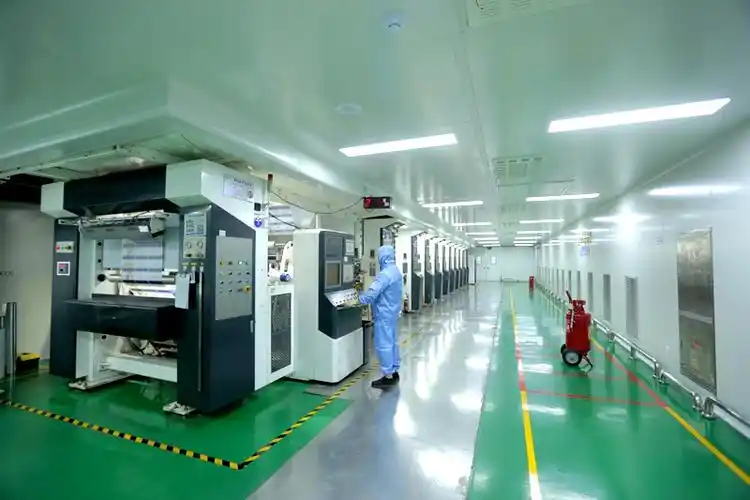
"Should my custom decals be printed digitally or offset?" Buyers ask this constantly, and most articles dodge it by saying "it depends." Here is the concrete answer from a factory that runs both processes every week, with the actual break-even logic, what each process does to the artwork, and how the choice interacts with white ink and finishing.
The two processes in one paragraph
Digital printing images the artwork directly from the file onto the film - no plates, no screens, minimal setup. Think of it as an industrial, color-managed version of a high-end inkjet press. Offset (lithographic) printing transfers ink from metal plates via rubber blankets; it needs plates made per job but runs at high speed with extremely consistent density across thousands of sheets. Screen printing is a third process in our shop used mainly for spot white and varnish, which can be combined with either print method.
Side-by-side comparison
- Setup cost: digital nearly zero; offset requires plates per color, so it carries a fixed upfront cost.
- Unit price: digital is cheaper up to roughly the low thousands of sheets; beyond that, offset's low click cost wins and the gap widens with volume.
- Minimum quantity: digital happily runs tens or hundreds of sheets; offset is built for thousands.
- Fine detail: modern digital is excellent, but offset at high line count renders the smallest text and finest tints slightly crisper - meaningful for dense model kit sheets with micro stencils.
- Color consistency across repeats: offset with control bars and retained samples is the gold standard for brands reordering the same SKU.
- Lead time: digital skips plate-making, so short runs ship faster.
- Variable work: only digital can economically change names, numbers or codes from sheet to sheet.
When digital is the right call
- Pilot runs, market tests and Kickstarter-style first batches.
- Aftermarket decal sellers gauging demand for a new title.
- Small businesses ordering 50-500 custom logo sheets for an event.
- Personalized runs - different rider names on helmet decals, sequential numbering.
- Jobs needed in days rather than weeks.
When offset earns its keep
- Established SKUs reordered regularly - packaging promotions, helmet programs, kit-box decals produced in tens of thousands.
- Dense artwork where tiny reverse text and long neutral tints must stay perfectly even.
- Brand programs where the PMS red on order 12 must match order 1 exactly.
- Price-sensitive tenders where per-sheet cost decides the business.
The smart path: digital now, offset later
The best buyers do not pick a process once - they stage it. Start digitally to validate design and demand, lock the approved physical sample as the color standard, then move the same file to offset when volume justifies plates. Because we keep color control bars and retain samples, the transition is barely visible; your customers never see a process change.
What the process does not change
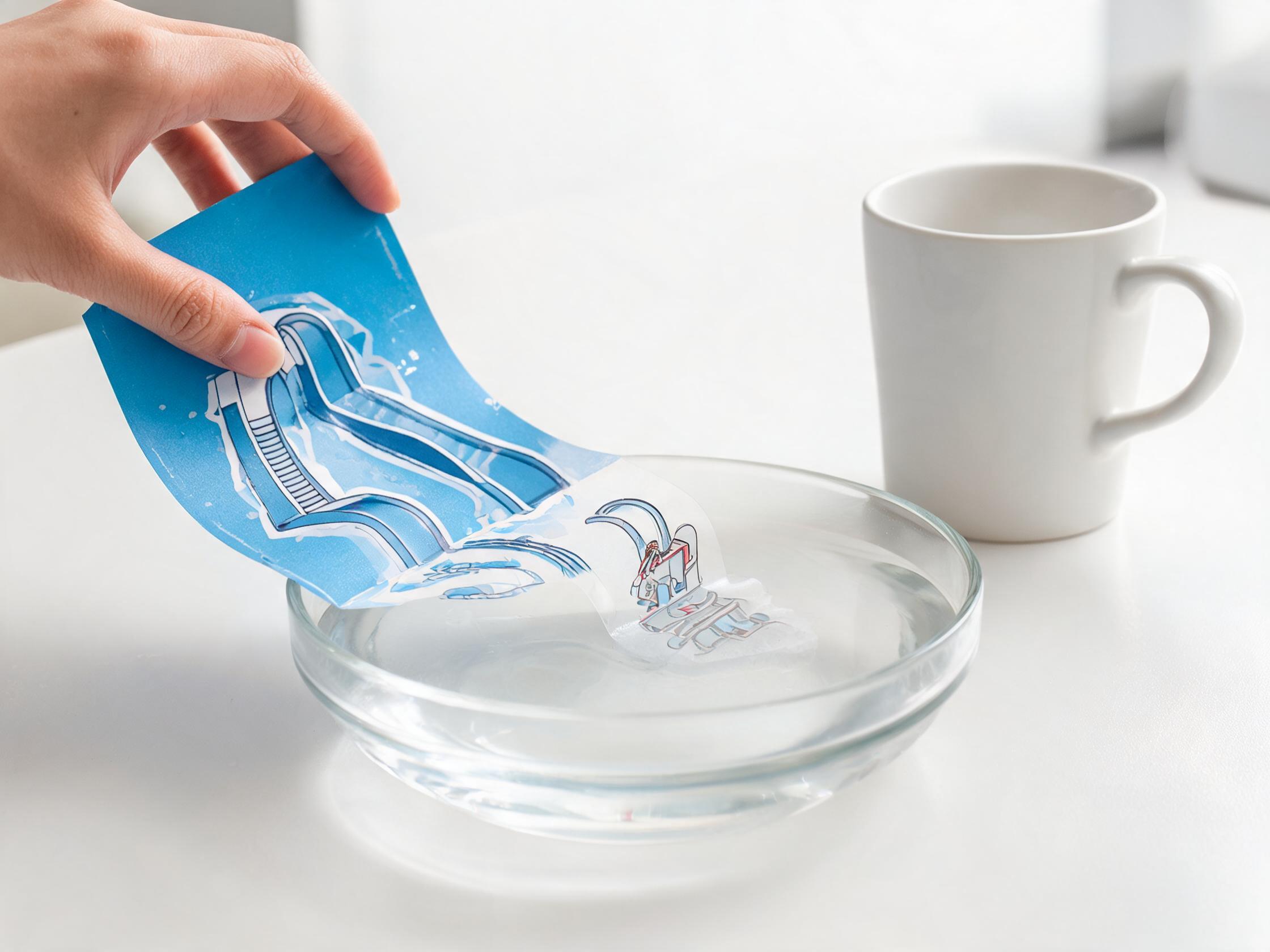
Neither digital nor offset removes the need for good prepress: vector files, defined white areas and real dimensions still apply (see the artwork file guide). Both can deliver CMYK plus matched colors, and both end up on the same premium waterslide films with the same application behavior.
Questions to answer when requesting a quote
- Total sheets now, and expected reorder volume in 12 months?
- Smallest text size / finest tint in the artwork?
- Is this a fixed design or variable data?
- Deadline driven by a launch date?
Send those answers with your artwork and we will quote both processes honestly, with the crossover quantity shown - request a quote and see the two prices side by side.