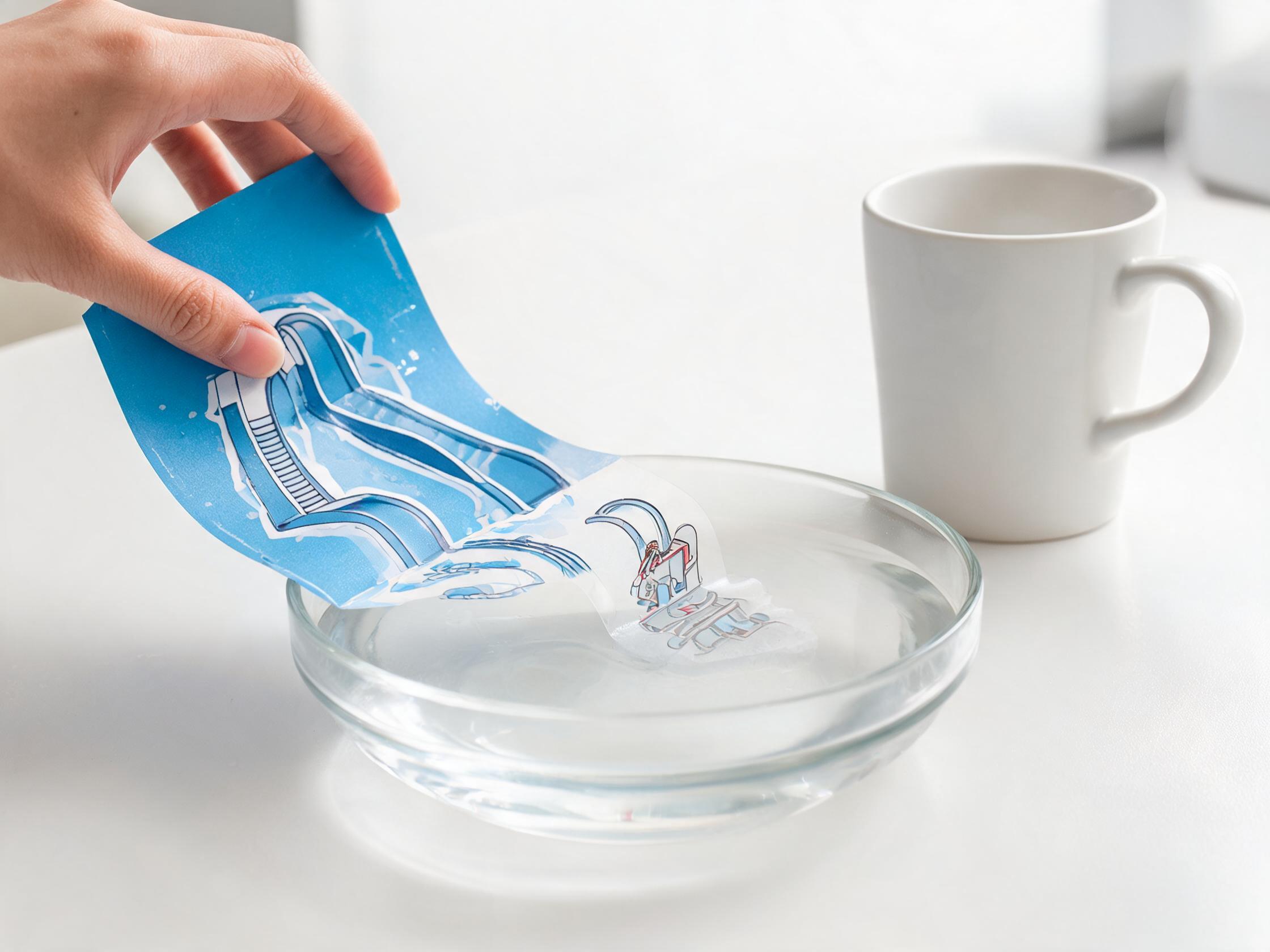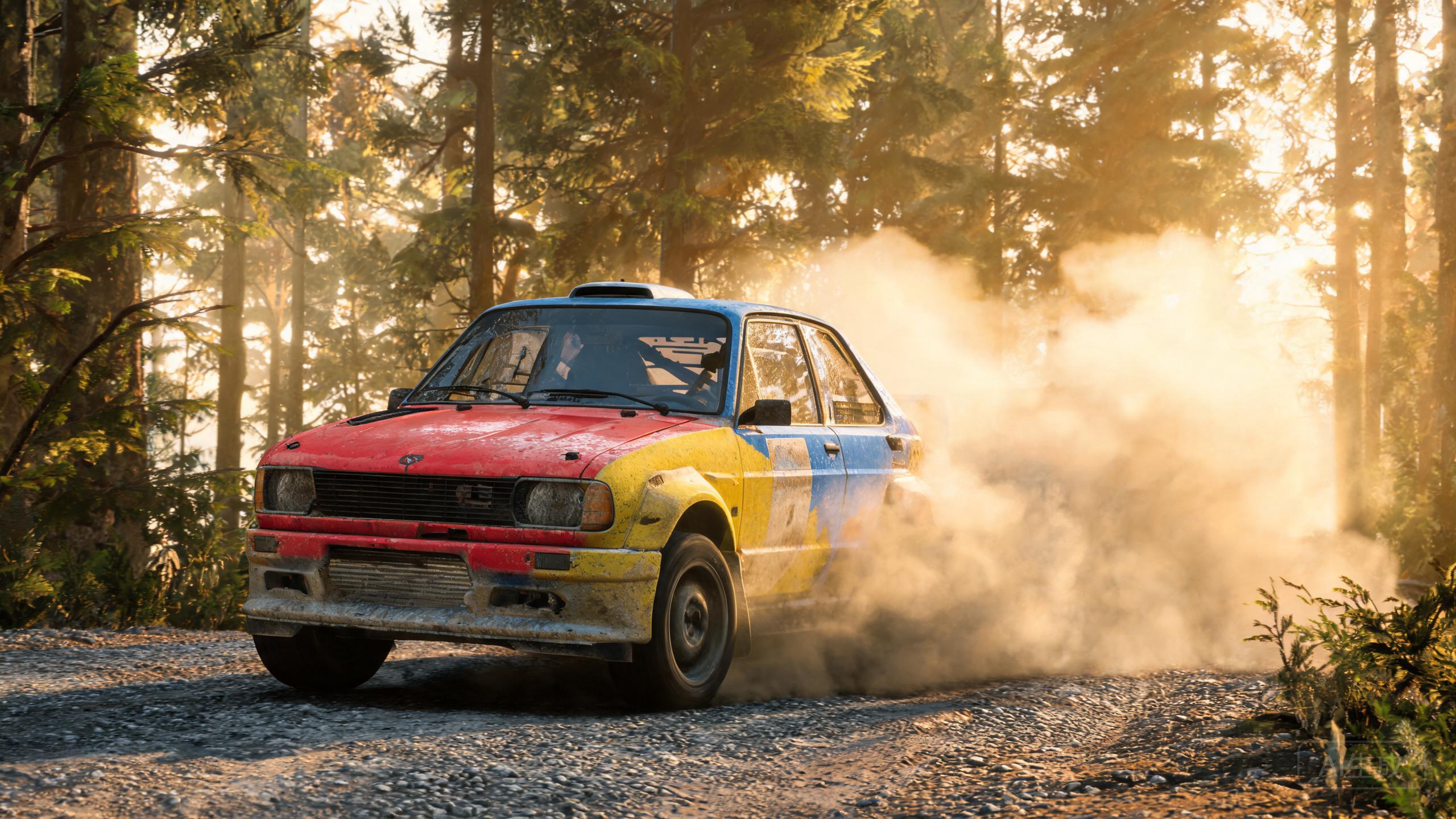
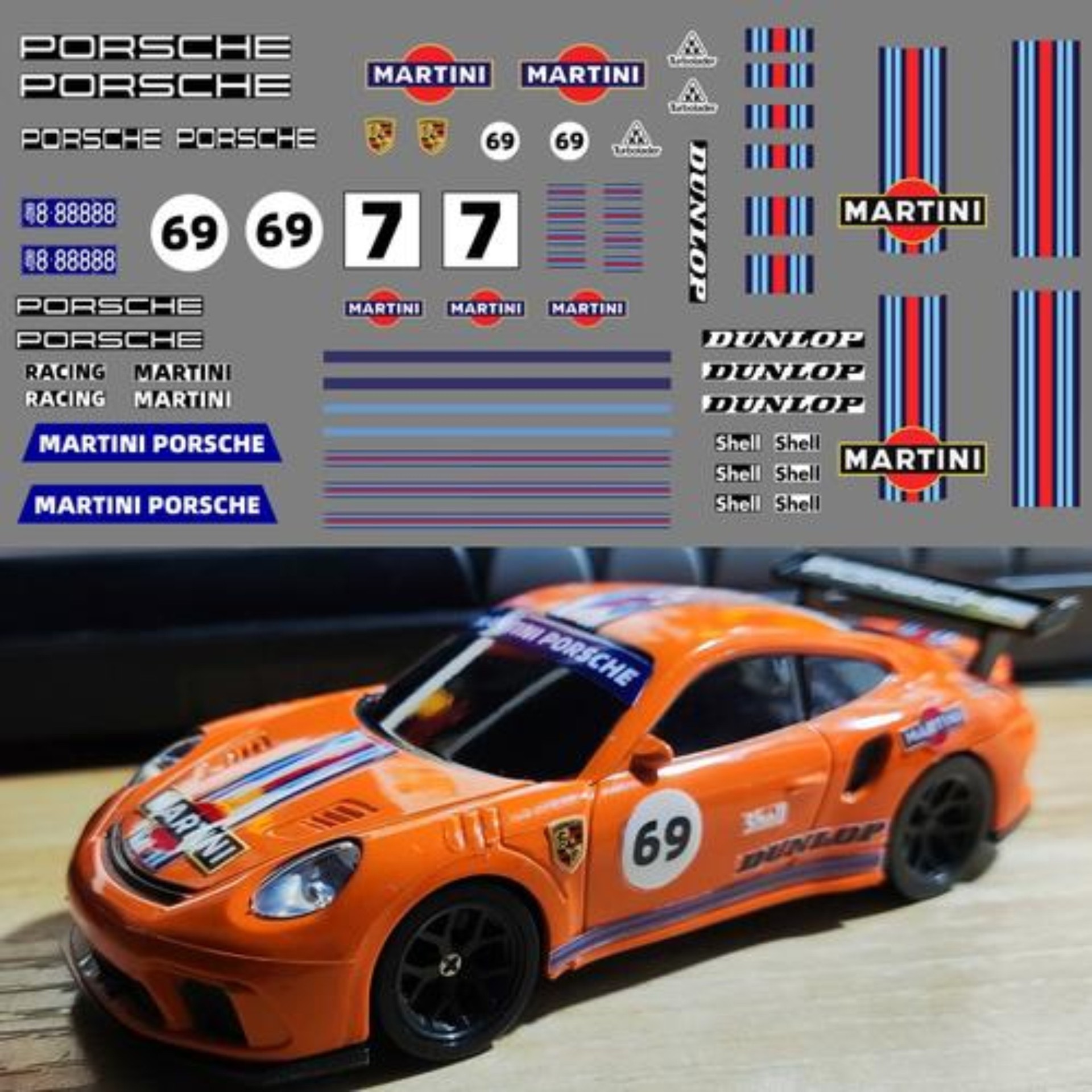
Our custom 1/24 model car racing decals reach us in many forms - finished vector liveries from aftermarket brands, diecast photos from individual builders, even magazine clippings of a 1970s rally car. What leaves the factory is always the same kind of thing: ultra-thin, tightly registered waterslide markings that look painted onto the body. This article walks through the actual process that takes a file (or a photo) to a finished livery sheet.
Stage 1: Brief and references
The job starts with three pieces of information: the scale and body shell, the subject (real car, fictional livery, restoration), and every reference available - photos from multiple angles, existing decal scans, diecast pictures, period footage. For original designs, a sketch or even a PowerPoint with sponsor names placed on the car is enough to begin. Good references matter most for vintage livery recreation, where colors and logos changed from race to race.
Stage 2: Artwork redraw and scaling
Our designers rebuild every mark as vector art: sponsor logos, numbers, stripes, badges, tire lettering, fine pinstripes. The artwork is then laid over a traced template of the specific body shell - and this is where scale math gets serious.
- A sponsor logo that is 40 cm on the real car becomes under 17 mm at 1/24.
- Numbers on doors must account for the body's curvature and panel gaps, not just flat dimensions.
- Hood and roof markings need foreshortening compensation so they read correctly in perspective.
Stage 3: Registration and color engineering
Racing liveries stack multiple colors, sometimes six or more passing over each other. Two prepress decisions define the final quality:
- Traps and chokes - minute overlaps between adjacent colors so paper stretch and water expansion cannot reveal white gaps.
- Spot white underlay - opaque white under every colored mark that must stay bright on a painted body; reds and yellows over red or blue plastic simply do not exist without it. White shapes are slightly contracted so no halo shows around crisp edges (details in the spot white explainer).
Period-correct liveries get a separate treatment: modern "pure" reds are often deliberately shifted to the faded, slightly orange or brown-shifted shades seen in period photography, and 1970s-80s print textures can be added where authenticity demands.
Stage 4: Proofing - digital and physical
A digital proof shows exact placement and the white channel. Then a physical sheet is printed on the actual ultra-thin, silver-free film. Whenever possible, we apply test markings onto an example shell before approving the run - a logo that looks perfect flat can still sit wrong across a fender bulge.
Stage 5: Production and finishing
Approved sheets run in the chosen process - digital for small aftermarket editions, offset for high-volume kit production (compare them here). Sheets are inspected under magnification for register, packed flat with protective backing, and shipped with a print reference retained for reorders so every batch of a sold-out livery matches the first.
Scale traps that ruin liveries (and how we prevent them)
- Thin four-color text: rebuilt as fewer separations so micro lettering cannot blur.
- White decals on white bodies: where the real car uses off-white cream, we tint the white rather than printing pure white.
- Over-saturated period colors: matched to references rather than modern Pantone ideals.
- Ignoring clear-coat sheen: gloss film is standard; satin liveries are handled via your final clear coat.
- Symmetrical mistakes: left/right-side artworks are mirrored deliberately, not blindly - sponsor orientation is checked against real-car photos.
What to send to get started
Body shell dimensions or kit name, scale, references in any state, and whether the sheet is for one build or a production run. Individual builders, slot racers, diecast customizers and kit brands all use the same pipeline. Send your livery references for a quote, or if you need full kit sheets rather than a single car, read the model kit decal sheet service page.